The Seven Grains: Brown rice, benefits and simple recipes

In anthroposophy, Monday is connected with the Moon, a quality associated with rhythm, feeling, and gentle nourishment. For this reason, many Waldorf homes and schools serve brown rice on Mondays, as it is seen as mild, harmonising, and supportive of digestion and emotional balance. The practice is less about strict nutrition and more about creating a calming weekly rhythm through foods that reflect the Moon’s quiet, steady nature.
When prepared and cooked correctly, brown rice is among the most nutritious foods you can eat.
Whole-grain brown rice is a healthier food choice. Grain servings should take up about 50-60% of your plate. It offers many health benefits, is delicious, and, with Gomashio, adds a nutty flavor and a chewy texture.
Whole-grain brown rice contains an ideal balance of minerals, protein, and carbohydrates. It’s a more complete food than white rice. The whole-grain goodness is always a healthier choice.
There are two primary rice varieties of brown rice: short- and long-grain, with short-grain being my personal preference.

Preparing and cooking brown rice:
- 2 cups of dried brown rice
- 2 1/2 cups of water
- pinch of sea salt
- Kombu seaweed. (Optional)
- 1 dried Shitake mushroom. (Optional)
- 1 umeboshi plum. (Optional)
Cooking time is around 50 minutes in the pressure cooker, but it may vary depending on the type of brown rice and the cooking method you use.

Step 1:
Wash the rice with cold water. Remove any floating grains.
Place the washed rice in a bowl with enough water and a few drops of vinegar or lemon.
Soak for at least 8 hours or overnight at room temperature.
Preparation:
Step 2:
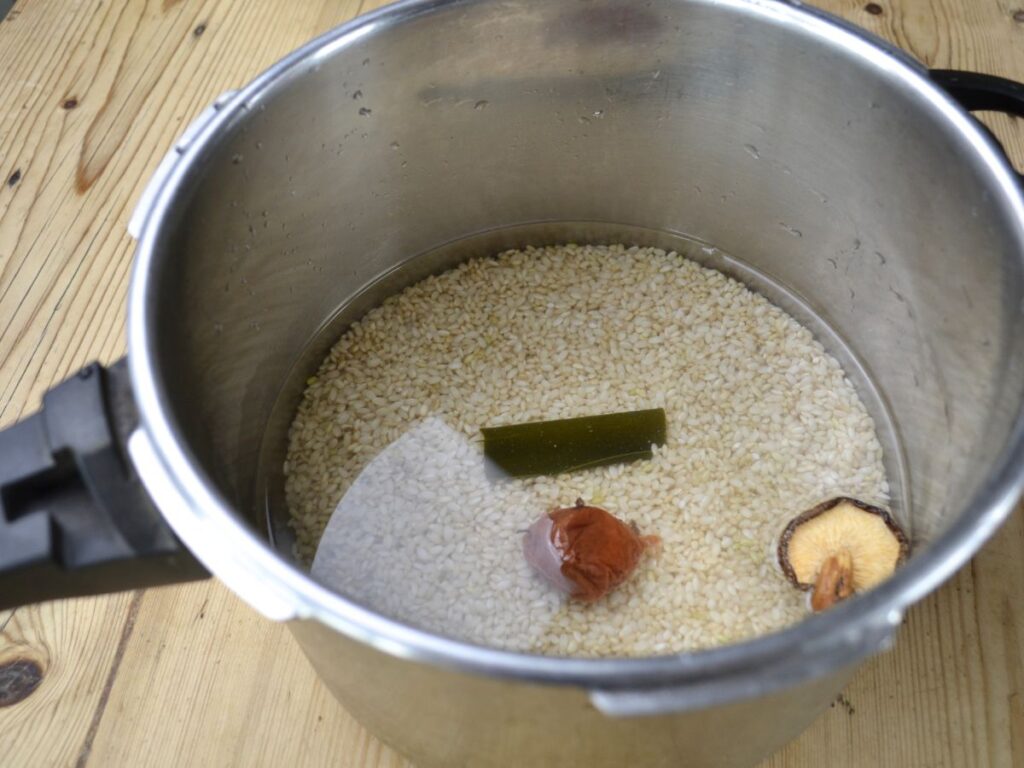
After soaking, rinse the rice and put it in the pressure cooker/saucepan, or rice cooker.
To add more nutrients and taste, I add a small piece of kombu seaweed, a dried shiitake mushroom, and one umeboshi plum to the rice.
Cooking:
If cooking in a pressure cooker, once the pressure is reached, add a diffuser and reduce the heat; cook for 50 minutes.
Turn the heat off and let the pressure relieve on its own before opening.
If you’re cooking in a saucepan, add a diffuser and lower the heat when the water is boiling. Keep the cover on throughout and don’t stir the rice at any point.

Serve plain rice in grain bowls with some soya sauce and gomashio. Learn how to make homemade gomashio here.
Any leftovers, once cool, should be kept in an airtight container in the refrigerator for up to 5 days.
Brown rice with stir-fry vegetables:

Heat a little bit of oil in a skillet or pan. Add the onion and sauté for a couple of minutes. Add the carrot, cabbage, and broccoli. Or any vegetables you want. Cook over medium heat, mixing occasionally so the vegetables don’t stick. When they are done, and no more liquid seems to come out of the vegetables, add a little soya sauce and cook for another minute or two. Add the cooked rice, reduce the heat to low, and cook for a few minutes more.
You can add beans such as black beans, red beans, chickpeas, or aduki beans or tofu. just before you add the rice; cook for a few minutes, then add the cooked rice.
What to cook with leftover rice:
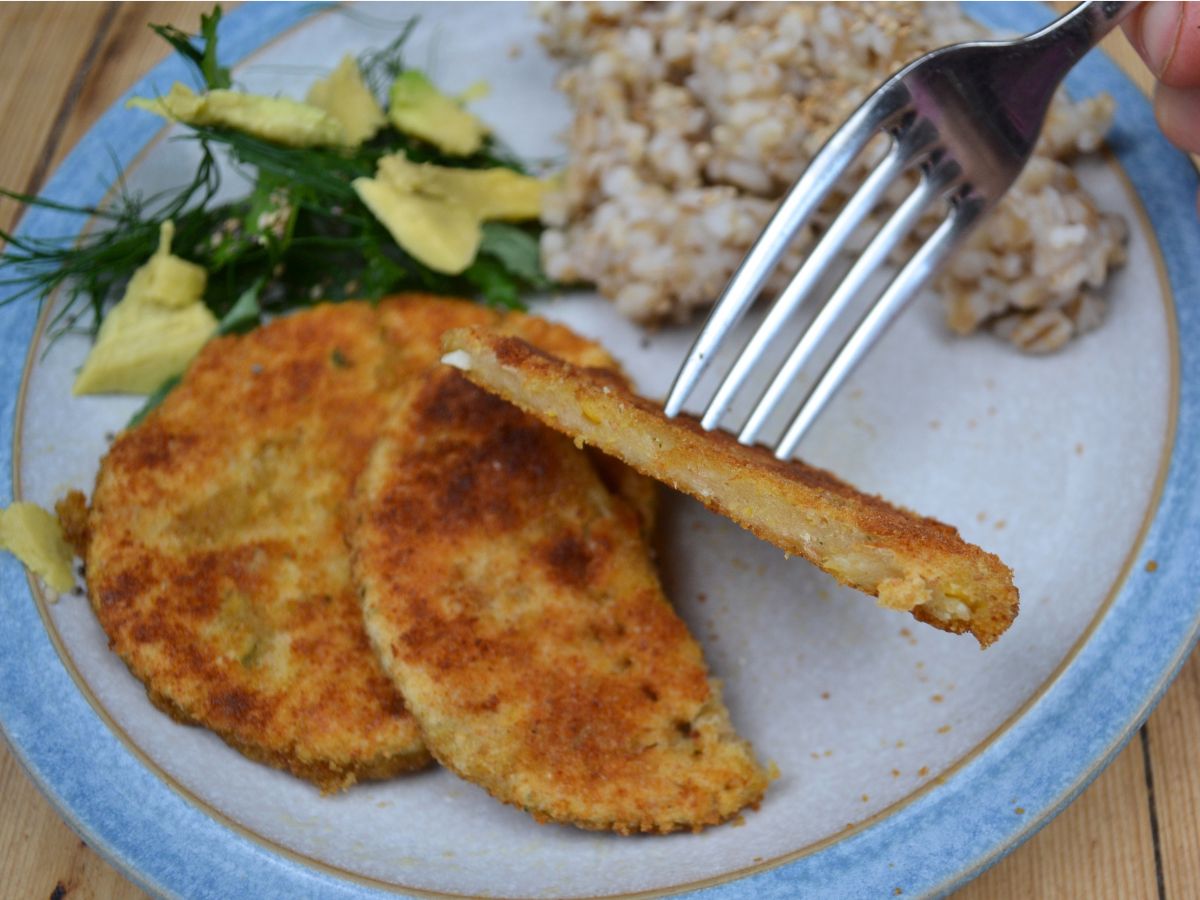
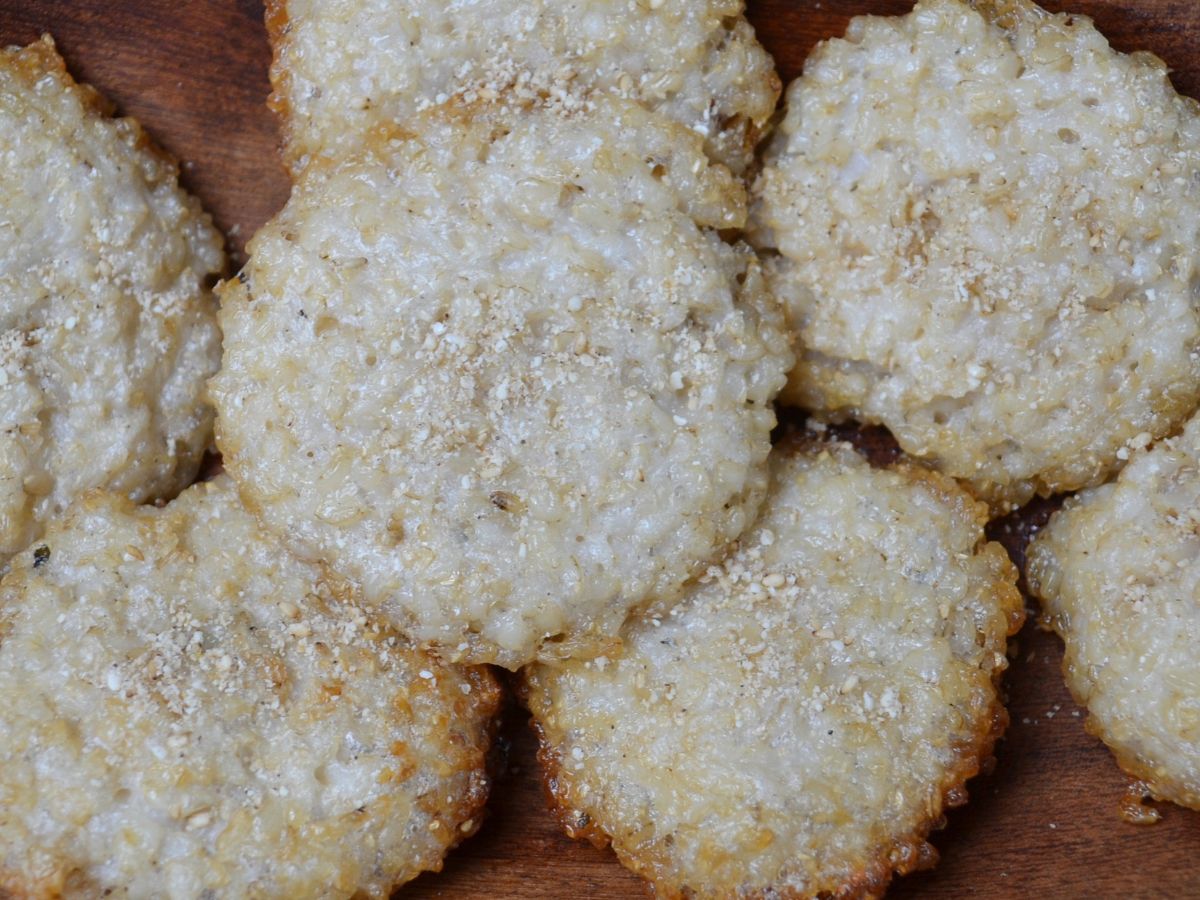
- Rice croquettes
- Brown rice sourdough bread
Variations:
You can add shredded carrots and spring onions to the rice mixture.
You can buy organic sesame, organic dried shitake, organic kombu seaweed, organic umeboshi, organic soya sauce at Clearspring
Organic brown rice and whole grain foods at Whole Foods shops.