Biodynamic gardening introduction for beginners
Biodynamic gardening is a gentle, holistic approach to growing plants that views the garden as a living, connected ecosystem rather than a collection of separate crops. Rooted in natural rhythms and deep respect for the soil, it focuses on nurturing healthy earth, encouraging biodiversity, and working in harmony with seasonal cycles. For beginners, biodynamic gardening doesn’t have to be complicated — it can start with simple practices like composting, observing nature closely, and growing a diverse mix of plants. More than a method, it’s a mindful approach that invites you to slow down, connect with the land, and cultivate a thriving, balanced garden step by step.
How to start?
You can start with biodynamic practices very simply in your home garden or even with your indoor plants. Just by paying attention to the rhythms of nature.
- Start a compost heap.
- Use the biodynamic calendar for the husbandry of your crops.
- Learn and put into practise crop rotation, plant companions, and attract wildlife.
- Get familiar with the preparations and start applying them.
What is Biodynamic gardening?
Biodynamic has a lot in common with organic practices. Both of them reject the use of chemical fertilisers.
Biodynamic gardening is a holistic method of organic gardening that uses special preparations developed by Rudolf Steiner. And uses the influence of the Moon and other cosmic forces on the plants’ growing cycle. In Steiner’s Agriculture Course, he described a biodynamic approach to growing food in harmony with nature.
An important element of this method is caring for soil life, viewing the garden as a living ecosystem rather than a collection of separate plants. Gardeners often consider moon phases and seasonal rhythms when planting and harvesting, and they encourage strong plant diversity to create balance and resilience. Among the key differences from standard organic gardening is the emphasis on the spiritual and ecological connection among soil, plants, animals, and the wider environment, with the aim of creating a self-sustaining, healthy garden system.
Biodynamic Calendar:
The twelve zodiac constellations ( Aries, Taurus, Gemini, etc.) are associated with each of the four elements: earth, water, air, and light. Each element is linked to three constellations and to a different part of the plant. Earth relates to the roots, water to the leaves, air to the flowers, and fire to the fruits.
A special biodynamic calendar tells you which constellations are each day, so you can use this to work with each part of the plant you want.
How to understand the calendar:
For example, in carrots, the part of the plant we eat is the root. To enhance that part of the plant, in this case, the root, the best time to sow, attend and harvest the carrots would be in root days (earth days) when the constellation is on earth signs, Taurus, Virgo, or Capricorn.
Leaf plants like cabbage or kale, the best time to sow, work, and harvest is on leaf days (water days), when the constellation is on water signs: Scorpio, Pisces, or Cancer.
For ornamental flowers, but also broccoli or cauliflower, which are the “flowers” of the plants we eat. The best time would be on leaf days when the constellation is in the air signs, Libra, Aquarius, or Gemini.
And for fruits like apples, tomatoes, peas, which are all fruits, the best time would be work on fruit days (fire days) when the constellations are on fire signs, Aries, Leo or Sagittarius.
So the biodynamic calendar makes it very easy for us to see which constellations occur each day.
The calendar also shows us the best times to sow and transplant.
I recommend getting Maria Thun’s biodynamic calendar book, which is very well explained.
Maria Thun (1922–2012) was a German biodynamic gardener and researcher known for creating the Biodynamic Sowing and Planting Calendar. Inspired by Rudolf Steiner’s work, she spent many years studying how moon phases and constellations might influence plant growth and soil health. Her practical research helped make biodynamic gardening more accessible to home gardeners around the world.
Compost heap:
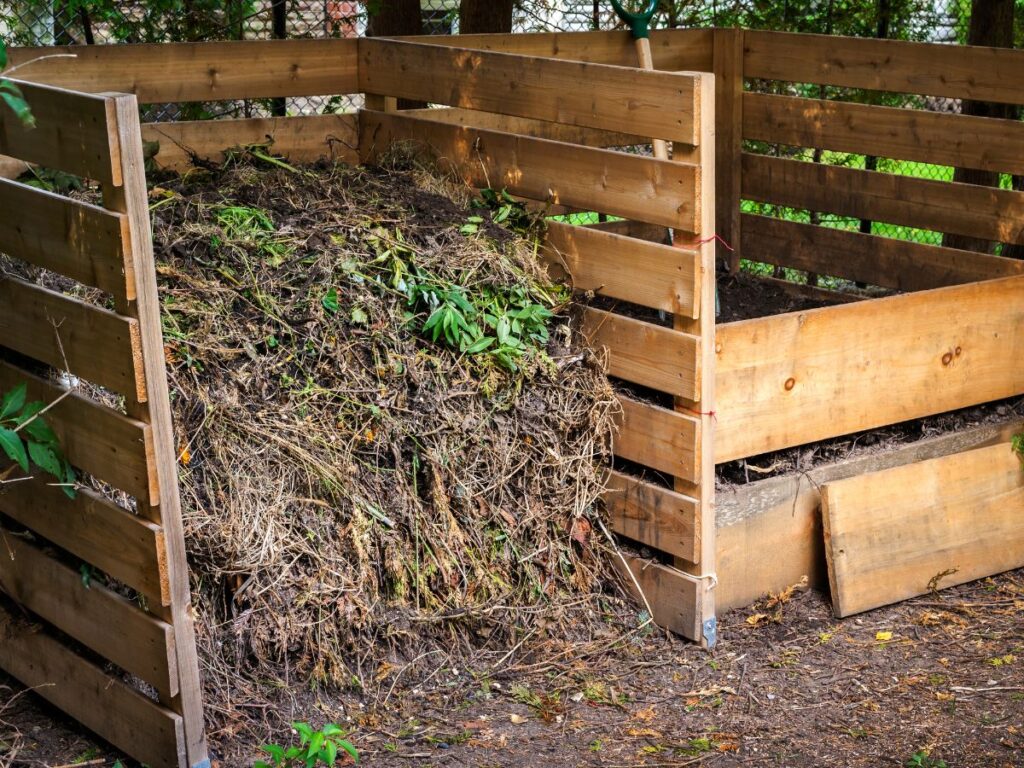
Building your own compost:
Biodynamic composting treats the compost pile as a living organism. The goal is to create rich, balanced compost that supports strong soil and healthy plants.
A compost pile needs all four elements: earth, air, water, and fire to help raw materials transform into hummus (the living, fertile part of soil that helps plants grow.)
The ideal balance in a compost pile is combining green material and brown material:
Fresh (Green) Materials (Nitrogen-rich)
- vegetable scraps
- fresh grass clippings
- garden weeds (before seeding)
- green leaves
Dry (Brown) Materials (Carbon-rich)
- dry leaves
- straw
- shredded cardboard or paper
- small branches or twigs
Optional Additions
- animal manure (cow or horse is traditional)
- crushed eggshells
- wood ash (in small amounts)
Diversity of plant materials is encouraged in biodynamic compost.
Building a compost pile is easy, but I recommend Charles Dowding’s Compost Little Book to better understand the process.
Biodynamic preparations:
Biodynamic preparations are natural garden helpers made from herbs, minerals, and carefully fermented animal manures. Based on the work of Rudolf Steiner, these small-dose preparations (numbered 500–508) are used to support healthy soil, encourage strong plant growth, and improve compost. In simple terms, they help boost soil life, strengthen plants, and bring more balance to the garden in a gentle, natural way.
There are two preparations, 500 and 501
The compost preparation: 502-507, are small natural herbal mixtures added to compost to help it break down well and create rich, healthy soil for strong plant growth.
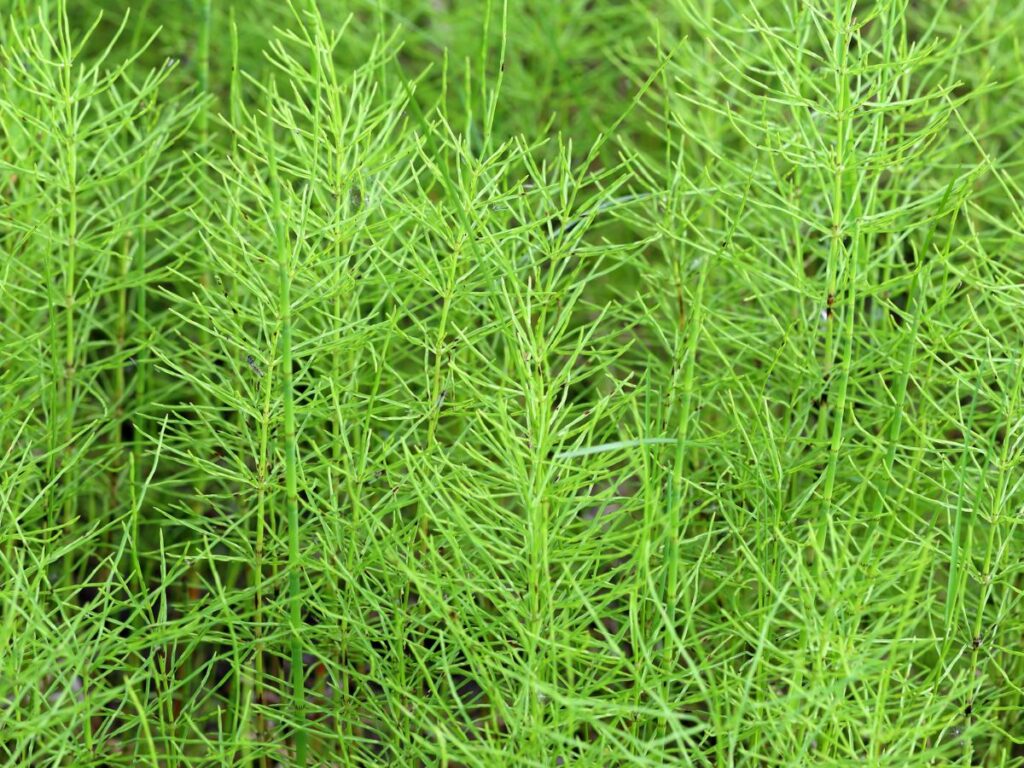
Prep 508:
Equisetum arvense (horsetail)
It is used to treat the crop and soil against fungal disease organisms.
Prep 500:
Elements: Water and earth.
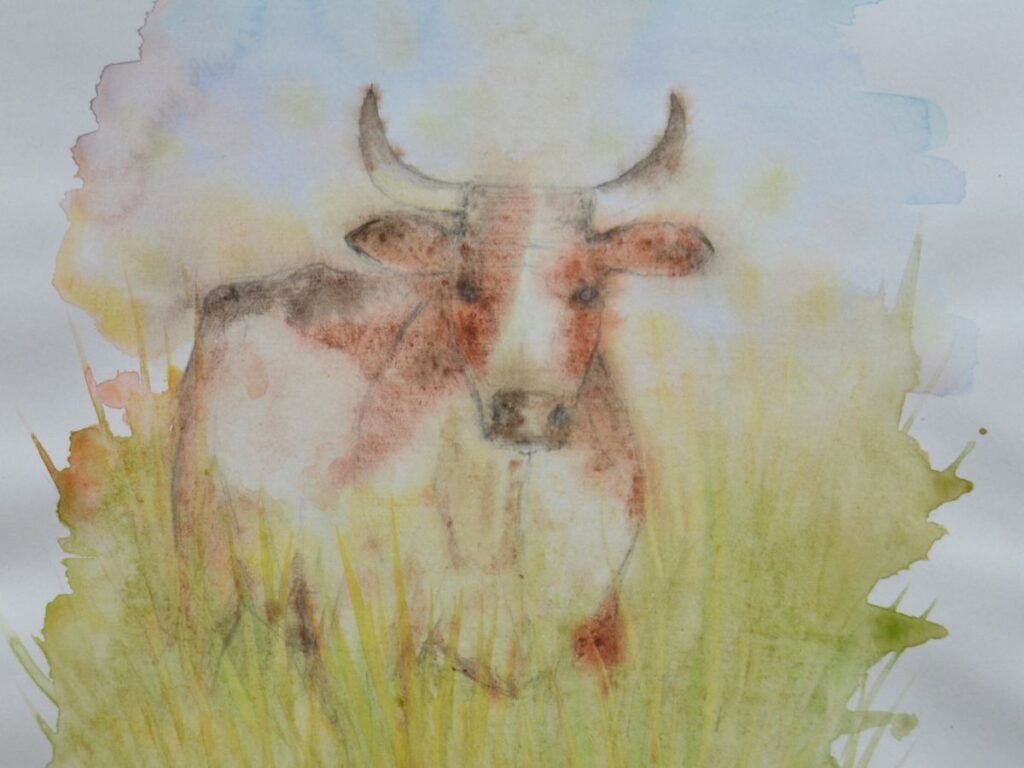
Horn manure, made by filling cow horns with cow manure and burying them in the ground for 6 months.It gives the soil all the life source it needs.
Prep 501:
Elements: Air and heat
Horn Silica, made by filling horns with a paste made with ground quartz rock and rainwater and burying them in the ground for 6 months. It helps plants and trees produce nutritious food.
compost preparations:
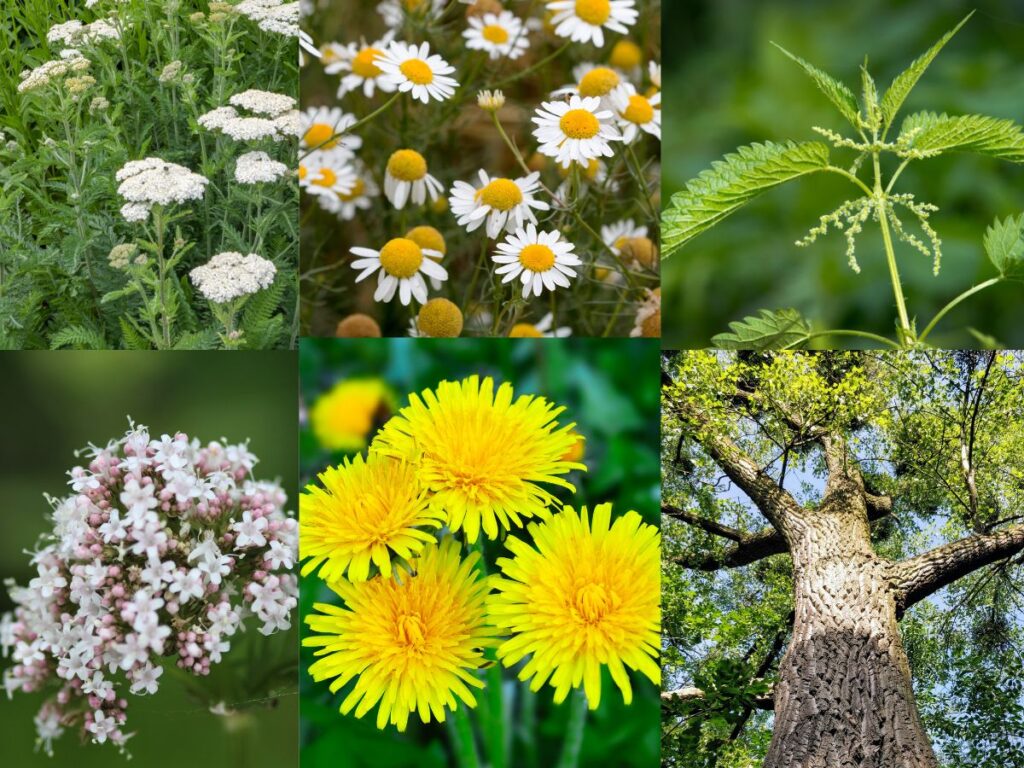
Each preparation helps to bring good forces to the compost pile. Each compost preparation is made with different plants.
Prep 502:
Yarrow: helps plants use nutrients like potassium
Prep 503:
Camomile: supports healthy decomposition
Prep 504:
Nettle: helps plants use nutrients more effectively and vitalises and enlivens the compost pile.
Prep 505:
Oak bark: helps plants stay strong and balanced, and has a healing force that helps prevent disease.
Prep 506:
Dandelion: supports nutrient use and plant health.
Prep 507:
Valeriana: adds warmth and supports compost activity. Allows phosphorus to be utilised by the soil.
You can find information, buy books, and get preparations, including the complete set of biodynamic compost preparations, from the biodynamic association.
Other things you can do:
crop rotation:
Help soil health by rotating your crops.
We have 3 types:
Heavy feeders such as cabbage, tomatoes, and lettuce take up nitrogen and other nutrients from the soil.
Soil improvers. Crops in the legume family (peas, beans) release nitrogen and restore the soil.
Light feeders, most root crops plants like carrots.
Plant soil improvers after heavy feeders, follow light feeders.
Companion plants:
Planting Companion plants is an effective way to control pests.
Some plants repel pests, such as tansy, which repels the white butterfly that attacks cabbage and broccoli. And others attract predators that feed from pest. Like ladybirds, they eat the aphids that would harm the roses.
Welcome wildlife
Make habitats to welcome beneficial wildlife. Like bug hotels, ponds, and log piles for hedgehogs.
Small test plot:
You can experiment by planting on the day of the forces that strengthen the plant you want to grow, such as a tomato, using the biodynamic calendar to sow on a fruit day. Then sow another tomato plant on a non-fruiting day and see the differences for yourself.
Great source of research:
At the Biodynamic Association, you can buy great books, biodynamic preparations, and more.
The Maria Thun Biodynamic Calendar
Charles Dowding: No Dig book and Compost book.
