How to make Homemade Gomashio

This post may contain affiliate links. If you purchase through these links, I may earn a small commission at no extra cost to you. Thank you for supporting my blog!
Gomashio is a simple Japanese seasoning made from toasted sesame seeds and salt, cherished for its rich nutty flavour and versatility. Traditionally used as a condiment in Japanese cuisine, gomashio adds a delicious savoury crunch to rice, vegetables, salads, and grain bowls. With just two basic ingredients and a few minutes of preparation, this homemade seasoning is an easy way to enhance everyday meals while bringing a touch of authentic Japanese flavour to your kitchen.
Different Types of Sesame Seeds
Sesame seeds come in several varieties, each with its own flavour, appearance, and culinary uses. The most common are white, black, and brown sesame seeds.
White sesame seeds are the variety most often used in baking and cooking. They have a mild, slightly sweet, nutty flavour that becomes richer when toasted. White sesame seeds are commonly used to make tahini, garnish breads, and prepare traditional gomashio.
Brown or golden sesame seeds are less processed and my choice for making gomashio than many white sesame seeds and they retain more of their natural outer hull. They offer a slightly more robust flavour and a firmer texture, making them a popular choice for whole-grain and health-focused recipes.
Black sesame seeds have a stronger, earthier flavour than white sesame seeds and are highly valued in many Asian cuisines. They are often used in desserts, rice dishes, and as a decorative topping. Black sesame seeds also contain natural pigments that give them their distinctive colour.
All sesame seed varieties are rich in healthy fats, protein, fibre, vitamins, and minerals such as calcium, magnesium, and iron. While they differ slightly in taste and appearance, each type can add delicious nutty flavour and nutritional benefits to a wide range of dishes.
What you need:
- A pan or skillet
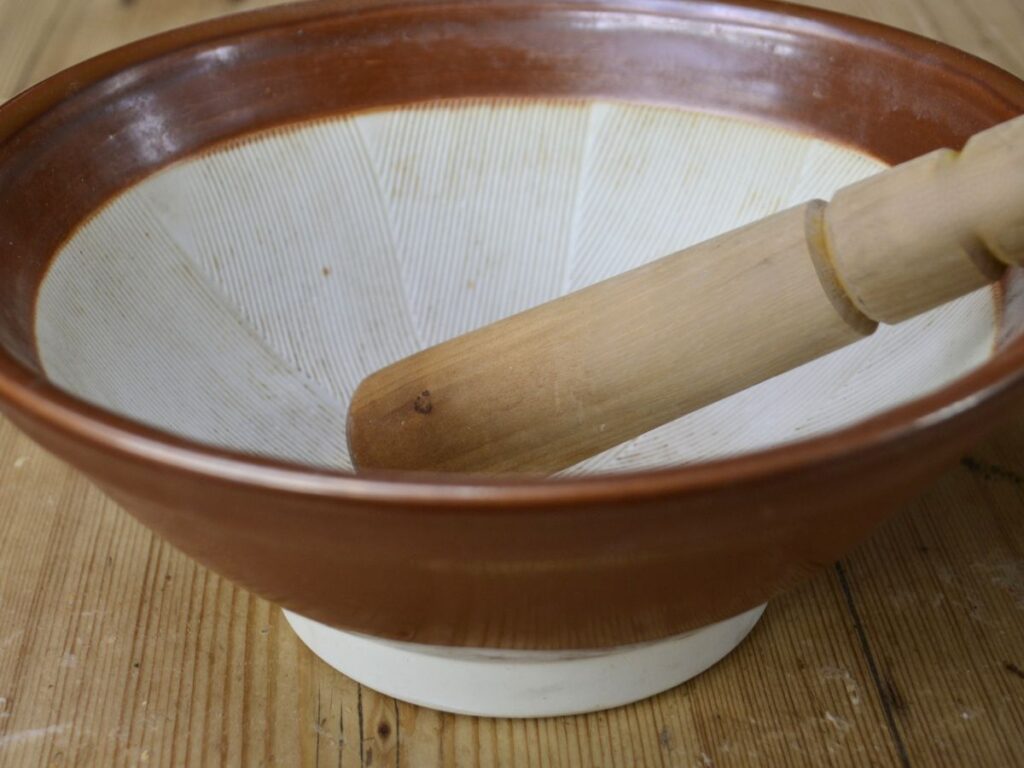
- A suribachi (Japanese mortar)
What is a Suribache?
A suribachi is a traditional Japanese grinding bowl used for crushing, grinding, and mixing ingredients. It looks similar to a mortar, but the bowl’s interior has fine ridges that help break down food more efficiently.
The rigid interior gently cracks the sesame seeds, releasing their aromatic oils while preserving some of their texture. This creates a more flavourful gomashio than simply using whole sesame seeds.
To use a suribache, move the pestle in a circular motion around the bowl. Press the ingredients against the ridges rather than pounding them.
Ingredients:
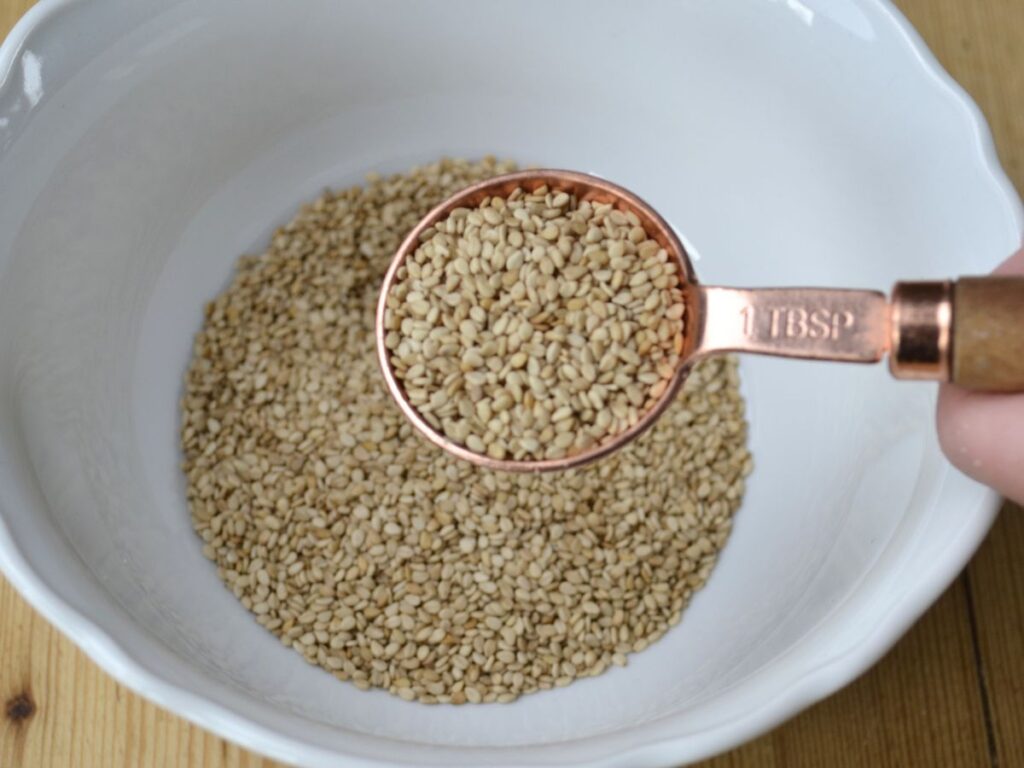
- 4 tablespoons of wholegrain sesame seeds
- 1/4 teaspoon Celtic Sea salt
How to make the Gomashio:
Step 1:
Put the sesame seeds in a bowl and wash them thoroughly in cold water.
Rinse using a thin colander and dry using a paper towel.
Step 2:
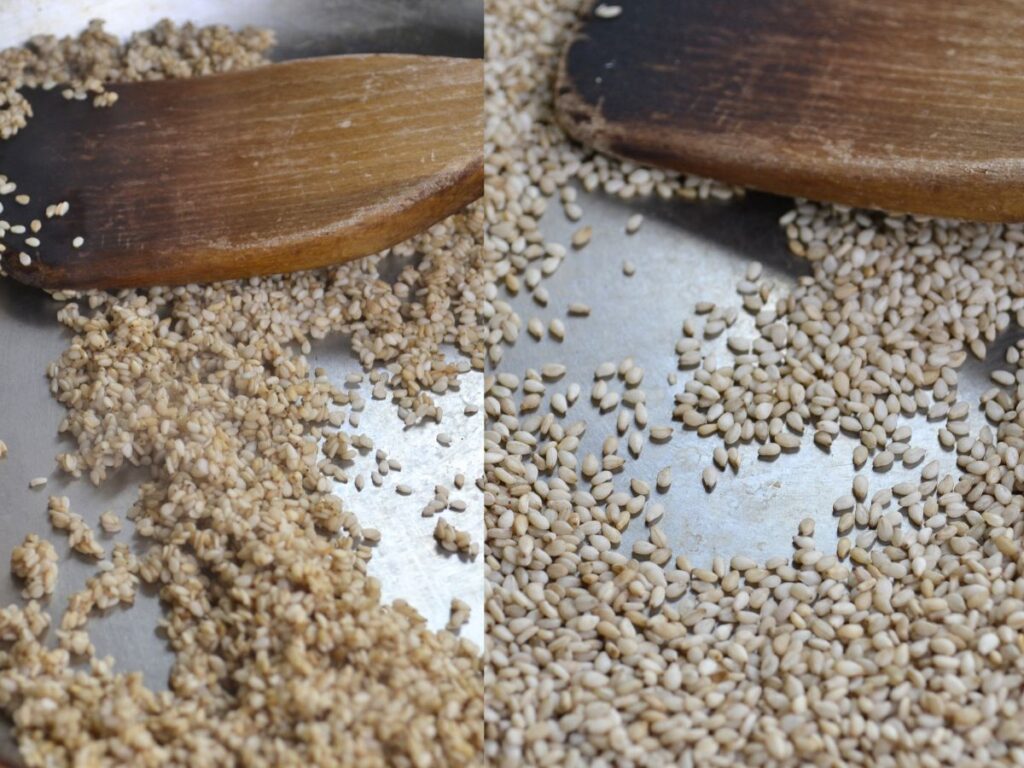
Roast the sesame seeds in a preheated skillet or pan in low heat.
Stir continuously with a wooden spoon and shake the skillet occasionally so the sesame seeds don’t burn.
When seeds start to pop, try crushing a seed between your thumb and ring finger. If the seeds crack easily, they are done; if not, roast for a bit longer.
When the seeds are done, remove them from the pan and put them on a plate or bowl to cool.
Step 3:
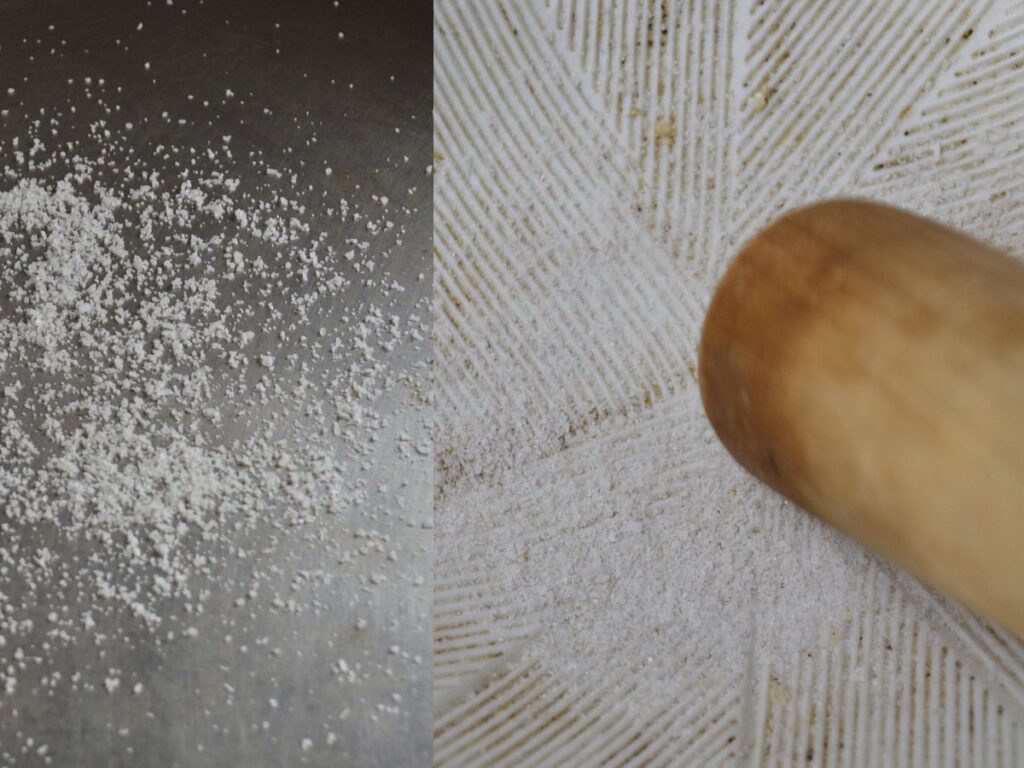
Measure the salt and roast in the skillet for a few minutes, stirring continuously. This will evaporate moisture from the salt, making it easier to combine with sesame seed oil.
Grind the salt first in the suribache until it is very fine.
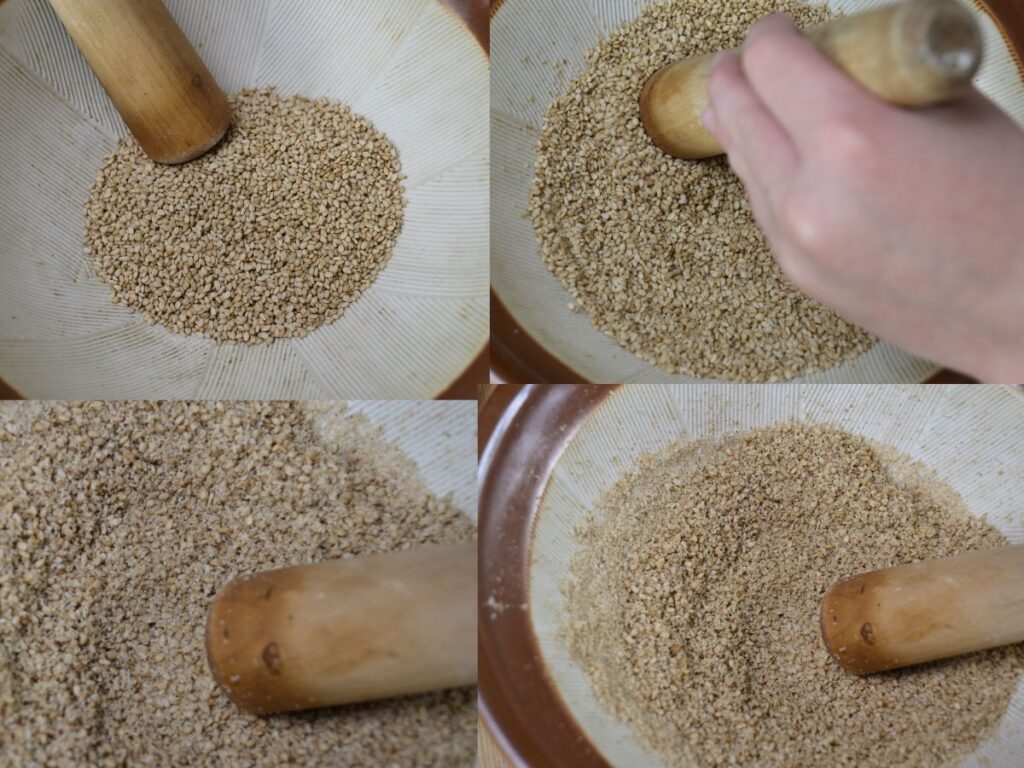
Step 4:
Add the sesame seeds and grind the two together.
When using the suribachi, don’t stir too fast or apply too much pressure, or it will turn into a paste.
Stir in horizontal circles in a spiral movement
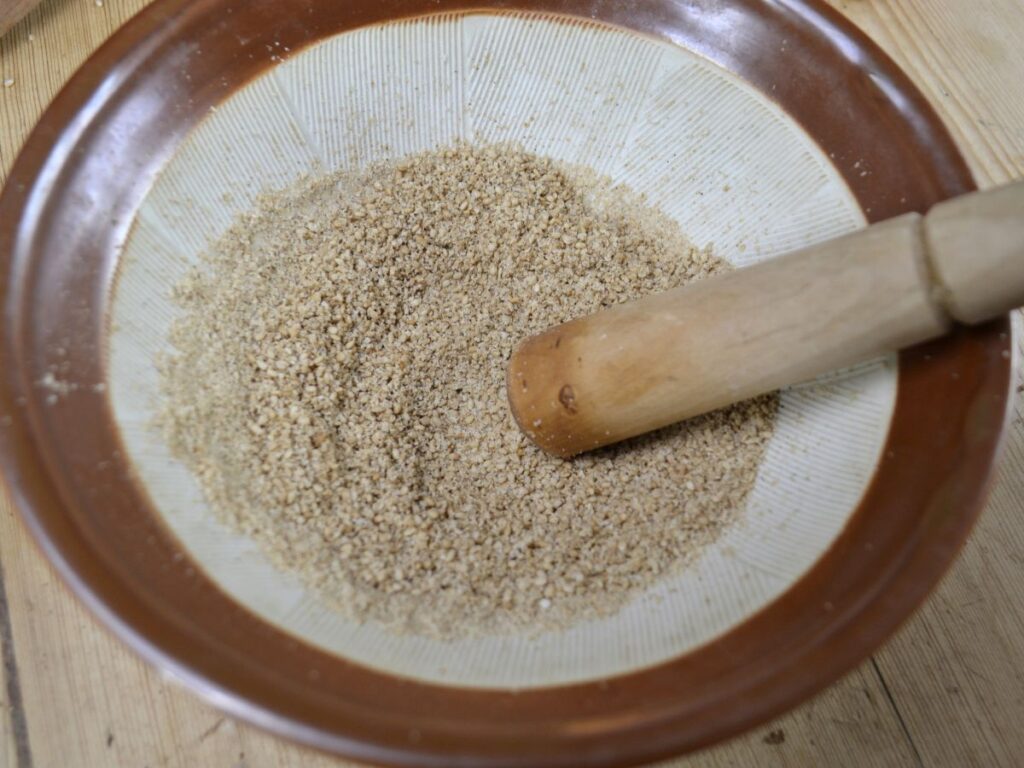
.
Crush about 80 per cent of the seeds.
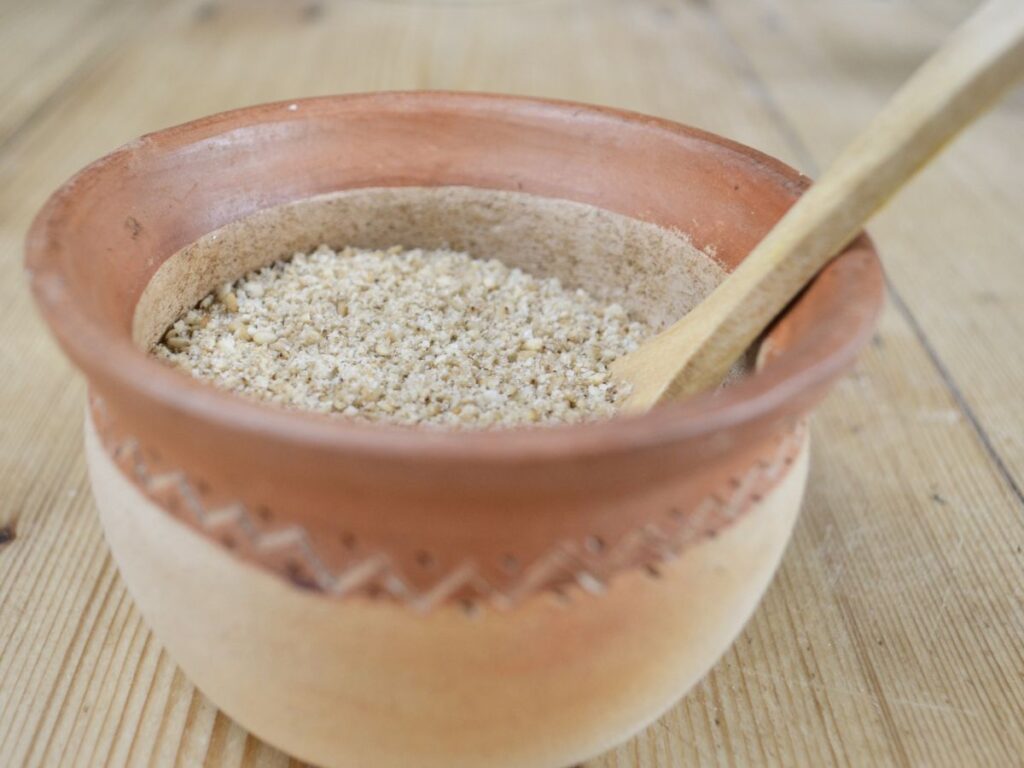
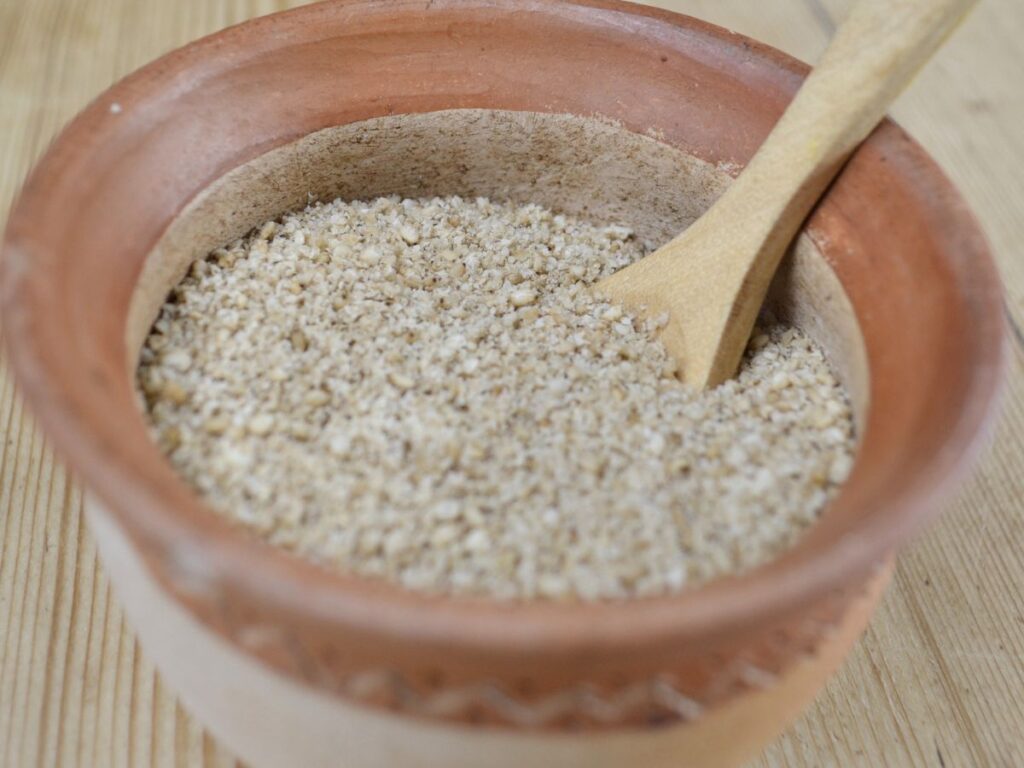
Serve 1 tsp of sesame in your dishes.
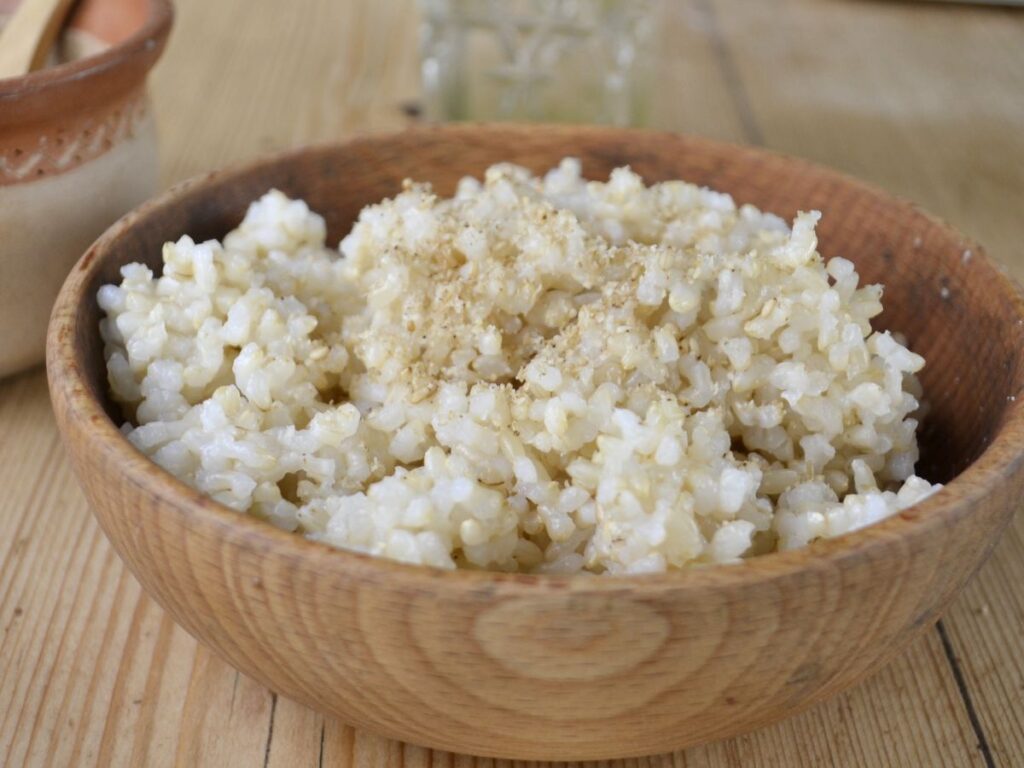
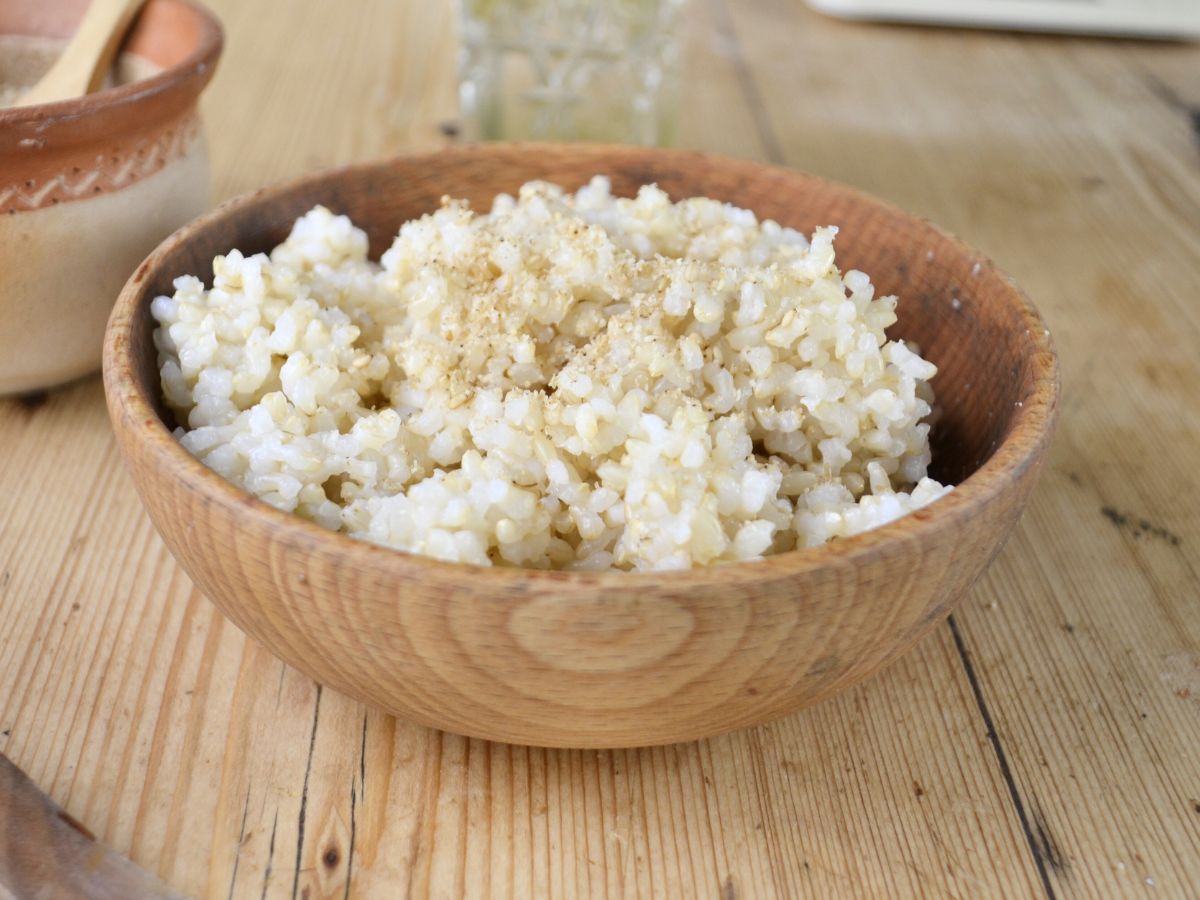
Enjoy gomashio with brown rice.
It can also be added to salads, vegetables, croquettes and many other recipes.
Store in a well-sealed glass jar for 20 days.
Notes:
You can use a mortar and pestle if you don’t have a suribache, but gently crush the seeds rather than turning them into a fine powder.
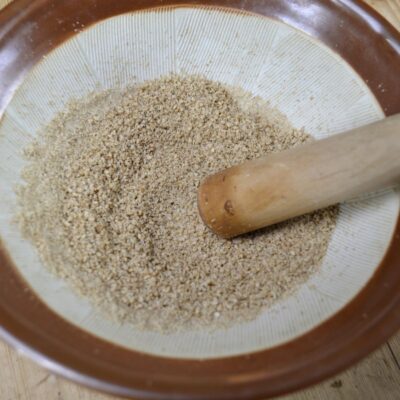
Gomashio
Equipment
- A pan or skillet
- A suribachi (Japanese mortar)
Ingredients
- Wholegrain sessame seeds- 4 tablespoons
- Celtic Sea salt – 1/4 teaspoon
Instructions
- Put the sesame seeds in a bowl and wash them thoroughly in cold water.
- Rinse using a thin colander and dry using a paper towel.
- Roast the sesame seeds in a preheated skillet or pan in low heat.
- Stir continuously with a wooden spoon and shake the skillet occasionally so the sesame seeds don’t burn.
- When seeds start popping, try crushing one between your thumb and ring finger. If the seeds crack easily, they are done; if not, roast for a bit longer.
- When the seeds are done, remove them from the pan and put them on a plate or bowl to cool.
- Measure the salt and roast in the skillet for a few minutes, stirring continuously. This will evaporate moisture from the salt, making it easier to combine with sesame seed oil.
- Grind the salt first in the suribache until it is very fine.
- Add the sesame seeds and grind the two together.
- When using the suribachi, don’t stir too fast or apply too much pressure, or it will turn into a paste.
- Stir in horizontal circles in a spiral movement
- Crush about 80 per cent of the seeds.