The Seven Grains: Millet, benefits and simple recipes
Millet was used for centuries in traditional cuisines around the world. This versatile grain is simple to cook and easy to incorporate into everyday meals. In this post, you’ll learn about the benefits of millet, how to cook it step by step, and a few simple recipes that make getting started both tasty and stress-free.
The earliest evidence of millet cultivation comes from West and East Africa, dating back over 7,000 years. Northern China domesticated foxtail and proso millet around 6,000–8,000 years ago.
Anthroposophy
In anthroposophy, each day of the week is connected to a planetary force that influences human development, especially thinking, feeling, digestion, and will. Foods are chosen to harmonise with these forces.
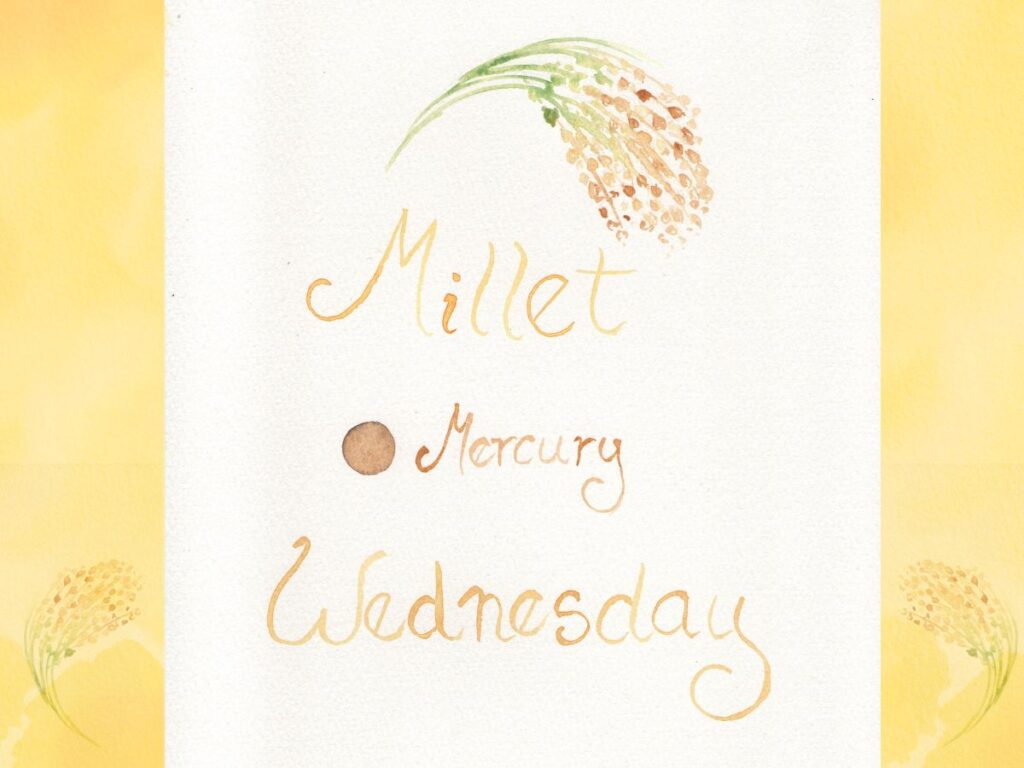
Mercury shapes the qualities of Wednesday and encourages lively thinking and clear communication. It supports the nervous system and senses, helping build awareness and responsiveness. Mercury also brings movement and flexibility, which encourages learning and adaptability. At the same time, it influences digestion and metabolism and supports balance and transformation within the body.
In anthroposophical nutrition, millet is often considered the grain most closely associated with Mercury’s qualities. Because it grows quickly and has a naturally light nature, it reflects Mercury’s sense of movement and flexibility. At the same time, its small, finely structured form is thought to support the delicate work of nerves and fine motor activity. When prepared with care, millet is easy to digest, therefore helping to support a balanced metabolic rhythm. Perhaps most importantly, it is warming without being heavy, so it can nourish clear, lively thinking while still feeling gentle and grounding.
It’s a nice idea to plan your weekly meals, eating the grain of each day, especially for children, because not only does it create a predictable weekly rhythm, but you also gently harmonise food with developmental forces.
That’s why many Waldorf schools traditionally serve millet on Wednesdays.
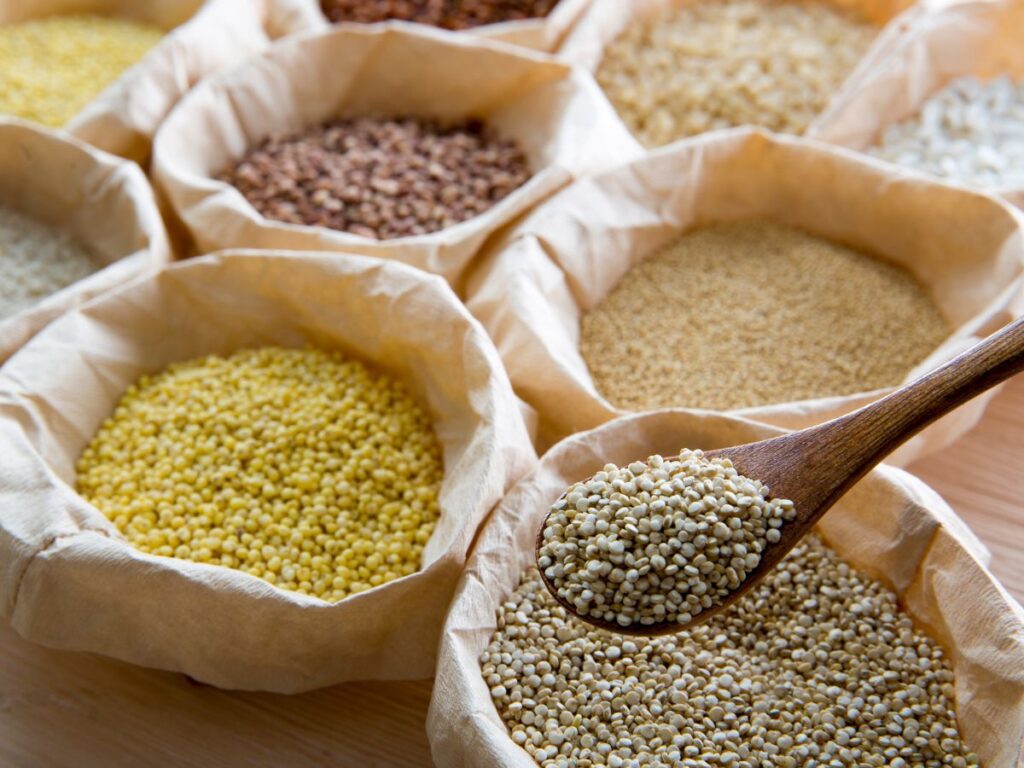
Millet types:
. Pearl Millet (Bajra)
Pearl millet is the most widely grown variety. It is rich in iron, protein, and fiber and is commonly used to make flatbreads, porridges, and fermented foods.
2. Finger Millet (Ragi)
Finger millet is known for its high calcium content, making it especially beneficial for bone health. It is often used in porridges, rotis, and baked goods.
3. Foxtail Millet
Foxtail millet has a mild, nutty flavor and cooks quickly. It is commonly used as a rice substitute in pulao, salads, and breakfast dishes.
4. Proso Millet
Proso millet is light, fluffy, and easy to digest. It is often used in cereals, soups, and pilafs and is popular in both human and animal diets.
5. Little Millet
Little millet is rich in fiber and minerals. It works well in savory dishes such as upma, khichdi, and stir-fries.
6. Barnyard Millet
Barnyard millet is low in calories and carbohydrates, making it suitable for weight-conscious diets. It is often used during fasting meals and in porridge-style dishes.
7. Kodo Millet
Kodo millet is high in antioxidants and dietary fiber. It has a slightly earthy taste and is commonly used in traditional and fermented recipes.
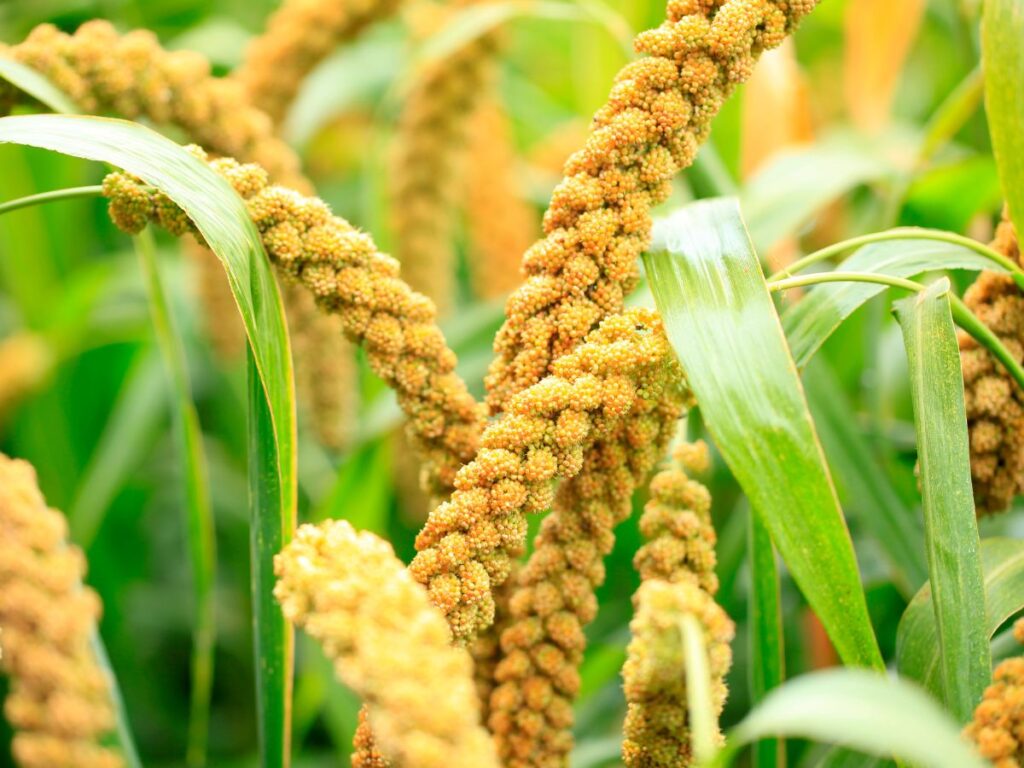
Health benefits of Millet:
Rich in Nutrients
Millets are high in essential nutrients such as fibre, protein, iron, and magnesium, and are a good source of vitamin b, supporting daily energy and bodily functions.
Supports Heart Health
The fiber and antioxidants in millets help reduce bad cholesterol levels and support healthy blood pressure.
Aids Digestion
Millets are easy to digest and high in dietary fiber, which helps improve gut health and prevent constipation.
Helps Manage Blood Sugar
With a low glycemic index, millets release glucose slowly, making them beneficial for people with diabetes.
Strengthens Bones
Millets like finger millet (ragi) are especially rich in calcium, supporting strong bones and teeth.
Naturally Gluten-Free
Millets are a safe and nutritious grain option for people with gluten intolerance or celiac disease.
Supports Weight Management
High fiber content keeps you full longer, reducing overeating and helping with healthy weight control.
Environmentally Sustainable
Millets require less water, grow in poor soil, and are climate-resilient, making them eco-friendly crops.
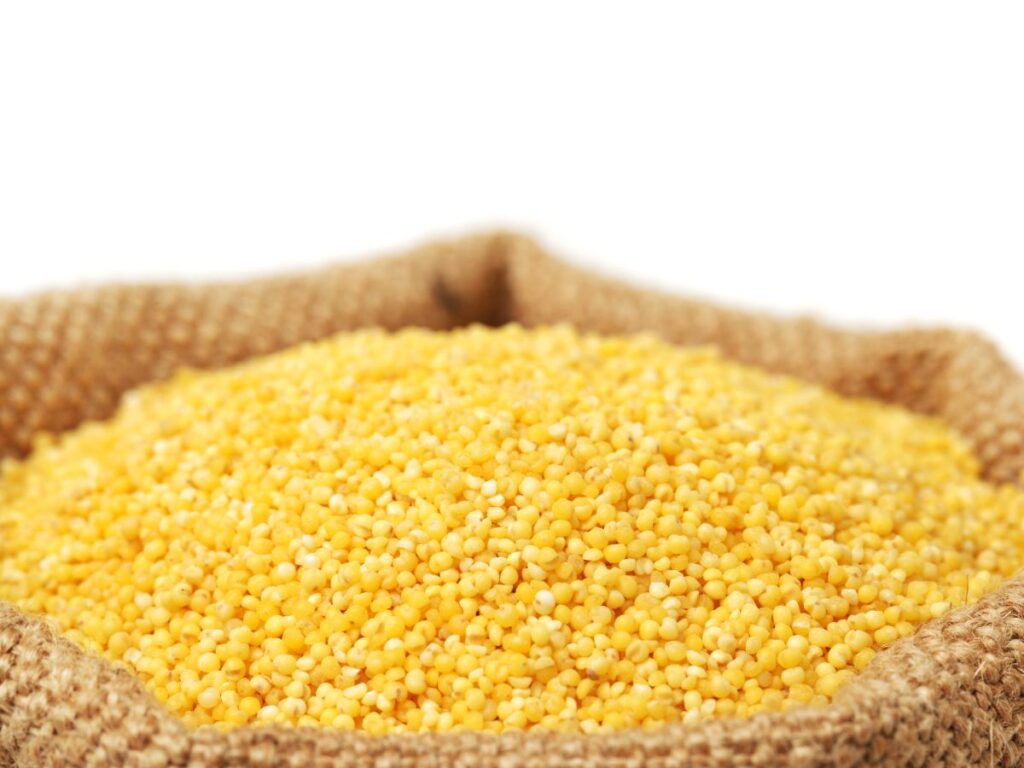
The variety of millet I use is Proso millet, which has a mild, sweet flavour and can be used in both sweet and savoury dishes.
I always soak all grains for at least 8 hours with a drop of organic apple cider vinegar or lemon juice to activate them. This also helps reduce anti-nutrients (activates enzymes that break them down, making them easier to digest and more nutritious) and makes minerals more absorbable.
How to prepare Millet:
- Soak Millet overnight with a drop of lemon juice or vinegar.
- The next day, rinse the millet.
- To toast the millet, preheat a dry skillet or pan, and toast it lightly for a few minutes, until golden.
- In a pressure cooker or a saucepan, put 1 cup of millet and 2 cups of water.
- Add a pinch of sea salt and cook for 15 minutes in a pressure cooker or for about 20 minutes over low heat in a saucepan with a lid.
- Let it cool for a bit before uncovering.
There are a variety of ways to prepare millet.
Recipe Ideas:
Millet with vegetables
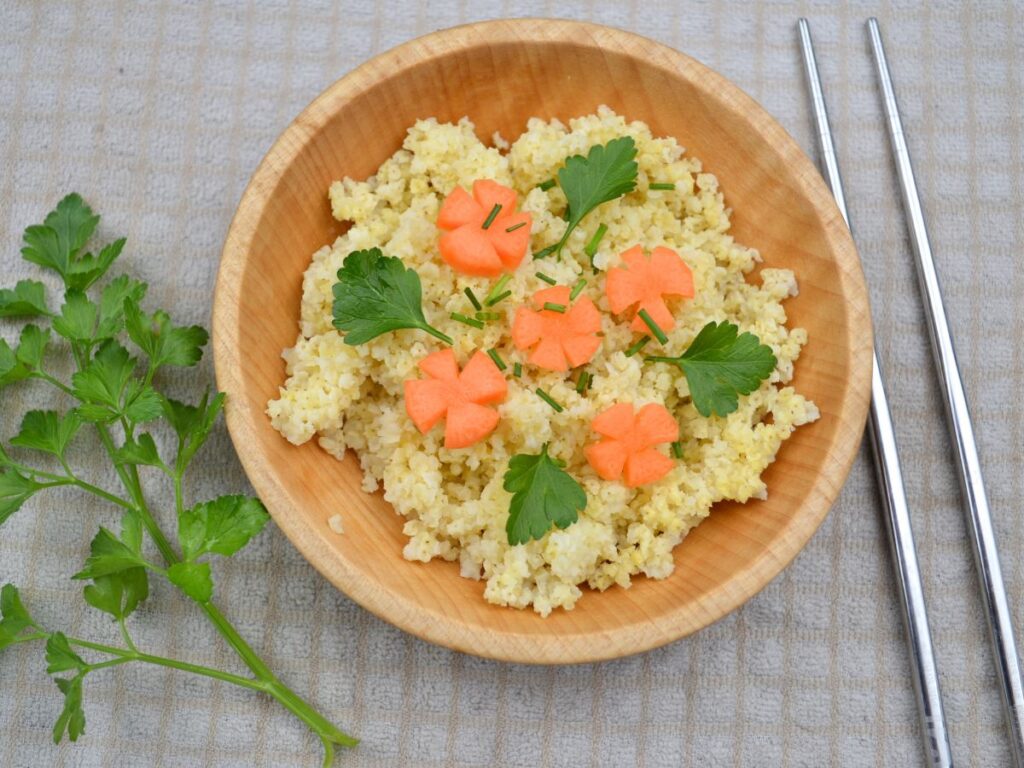
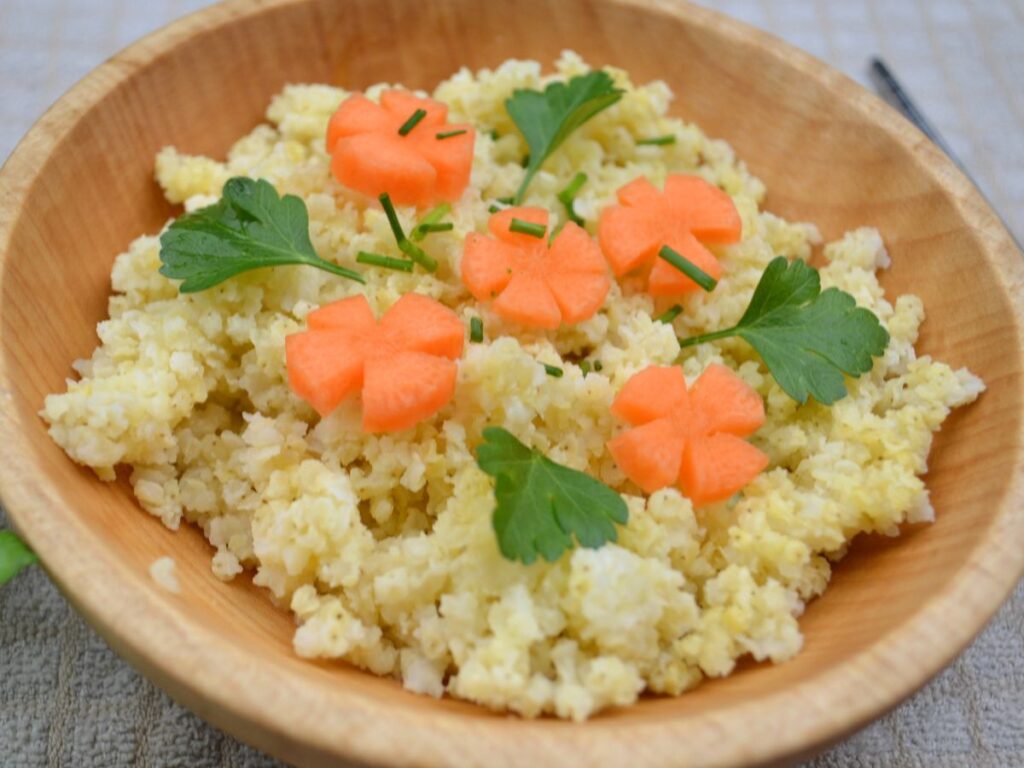
After cooking the millet, decorate with carrot flower, chives, and fresh parsley.
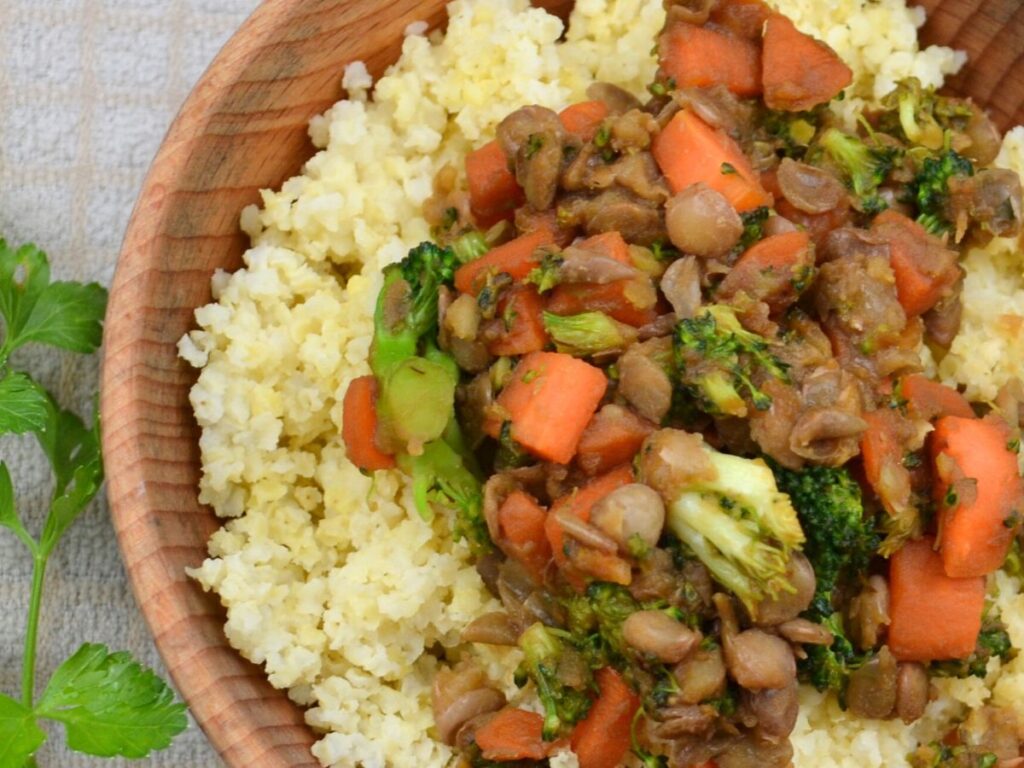
Stir fry garlic, onion,carrots and broccoli, add some soy sauce and add the cooked lentils.
Cook it for a few minutes, then serve it over the millet.
Millet porridge
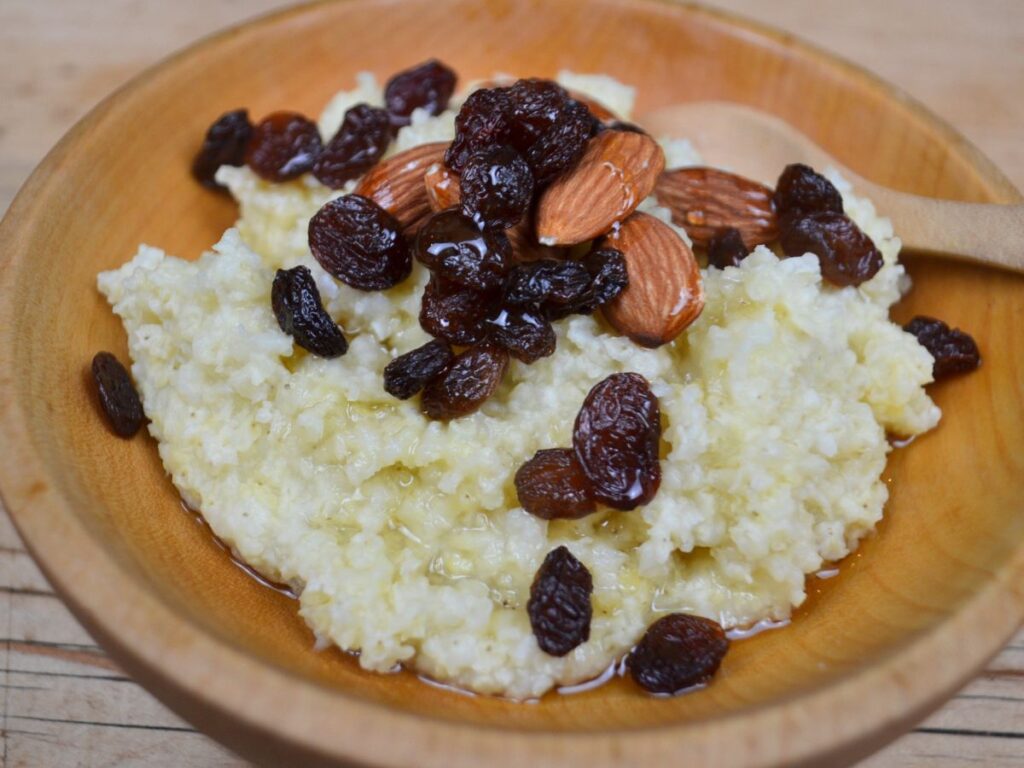
Soak 1 cup of millet for 8 hours, with a drop of lemon juice or vinegar.
Rinse, toast, and add to a saucepan or pressure cooker with 5 cups of water and a pinch of salt.
Cook, once boiling, lower the heat to low, and cook for 30 minutes.
Serve with toasted almonds.
Millet deep-fried croquettes
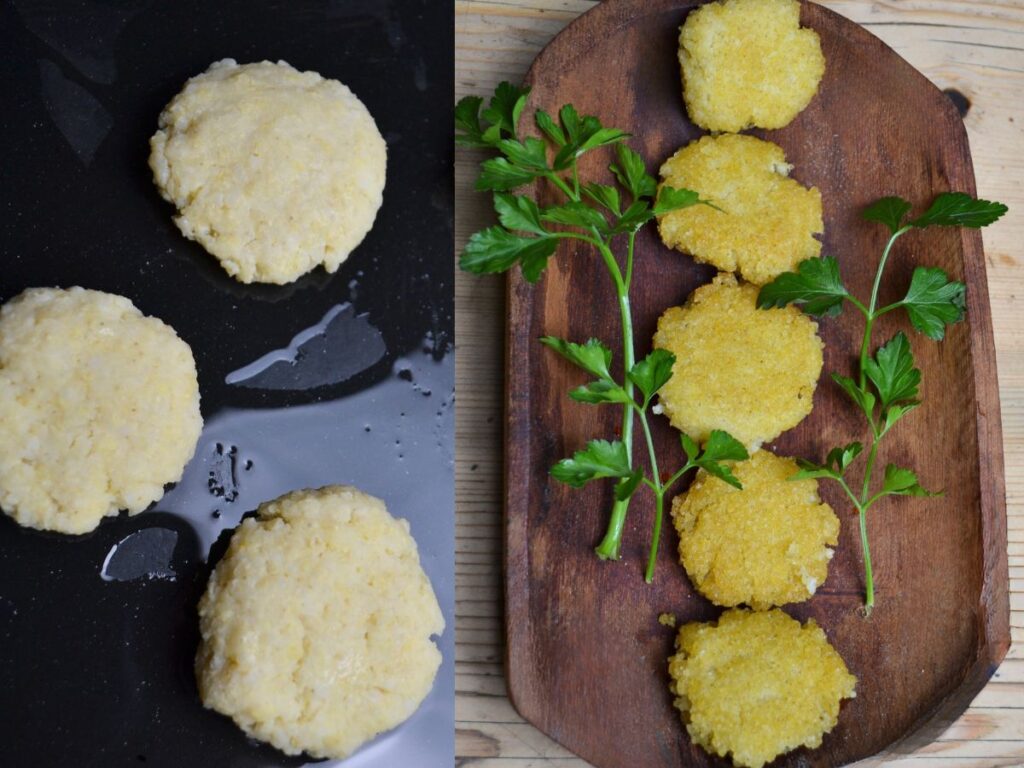
Put cooked millet (you can use leftover millet) in a bowl with a little salt or gomashio.
Wet your hands and work the millet until it looks smooth.
Form balls and flattend them a little to form a croquette.
Put them in a oven tray with oil and cook for 15 min.
Option: You can cook them in a hot pan with oil.
Wet
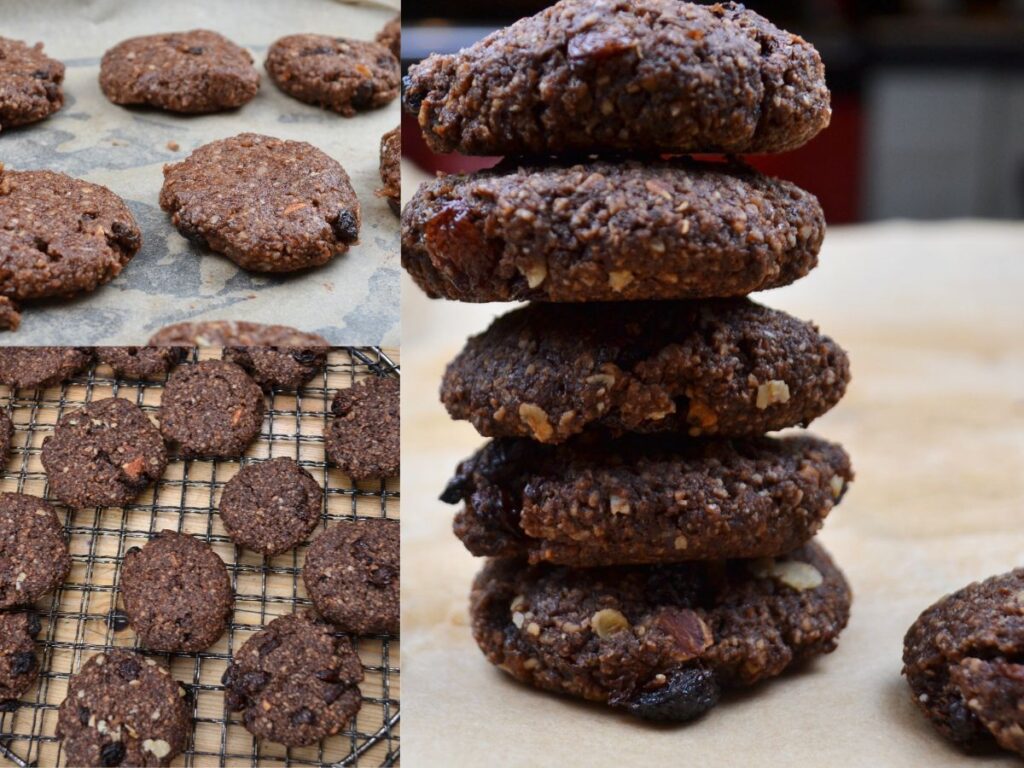
Millet cookies (gluten-free)
Makes 16-20 cookies.
- 1 cup millet
- 1 cup of gluten-free rolled oats
- 1/2 cup of sugar
- 1/4 cup of oil
- a pinch of salt
- Cacao powder or vanilla essence
- 1/4 cup of coconut (optional)
- A handful of raisins (optional)
- A handful of chopped nuts (optional)
Add all the ingredients to a food processor and process until a soft dough forms.
Form a ball with your hands, flatten it slightly, and set it on a tray lined with parchment paper.
Cook for 25 minutes or until golden, at 180 centigrade.
Let cool, they will be soft but harden when cool.
More Recipes from the 7 cereals of the week:
The Seven Grains: Brown rice, benefits and simple recipes
If you try any of these recipes and like them, I would love it if you let me know!